

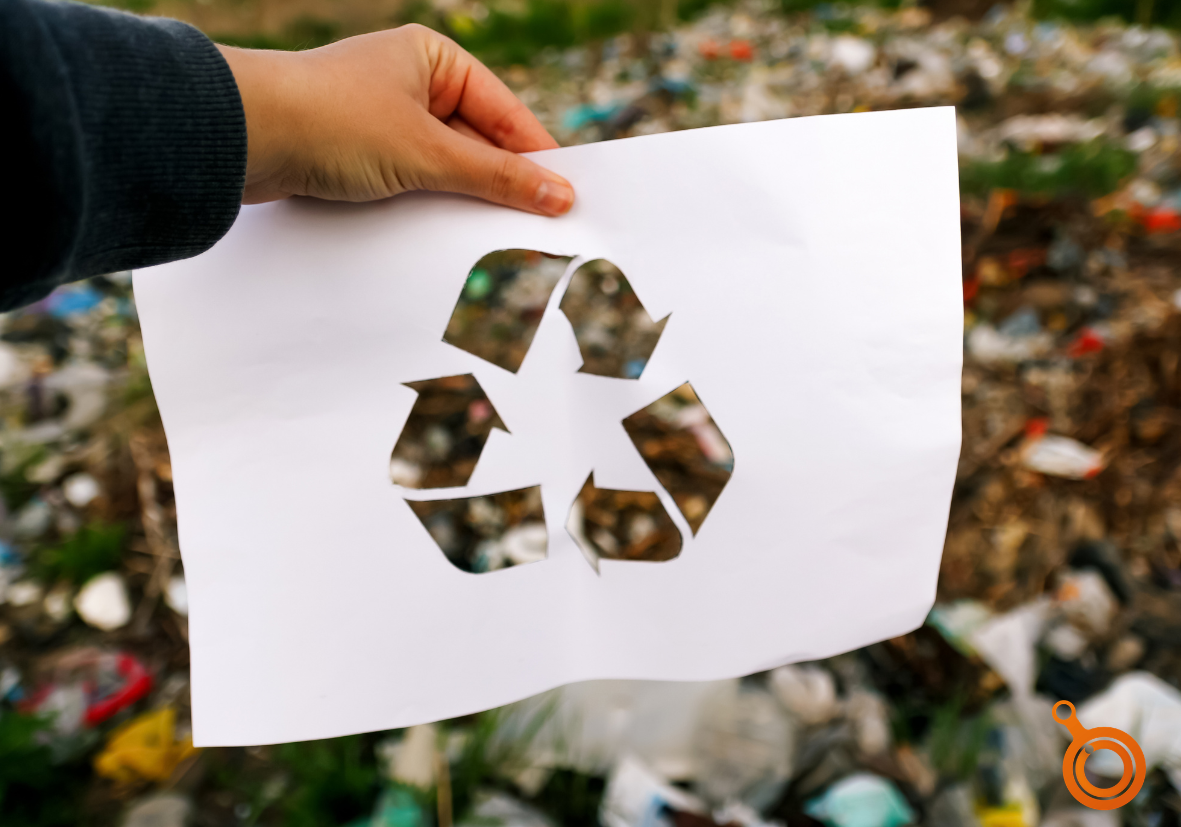
In a context where environmental sustainability has become a global priority, effective waste management stands as a central pillar of ecological responsibility. The continuous increase in waste generated by industrial activities and everyday consumer behavior represents a major challenge for both the environment and public health. In response to this growing issue, technological innovation—particularly in the field of waste compaction—has emerged as a promising solution. These advancements are not only redefining our approach to waste management, but are also significantly reducing the environmental impact of treatment and recycling processes.
This article explores the evolution of waste management technologies and highlights the decisive role of compaction in building a sustainable future.
Waste management practices have undergone a major transformation, evolving from the rudimentary methods of early civilizations to today’s sophisticated systems. Initially, managing waste simply meant discarding it outside village boundaries. However, as populations grew and cities expanded, the need for more organized systems became evident.
The Industrial Revolution introduced new types of waste and increased pollution, making waste management even more complex. Over time, practices evolved from basic landfills to modern approaches that include recycling, incineration, and composting. These changes reflect a growing awareness of environmental issues and an ongoing pursuit of more sustainable methods.
The emergence of compaction technology marked a crucial milestone in the history of waste management. By applying pressure to reduce the size and volume of waste, compaction revolutionized how waste is processed, stored, and disposed of.
Initially used to optimize landfill operations by maximizing available space and extending their lifespan, this technology quickly expanded into other areas. Today, it plays a key role in recycling programs by facilitating the transport and processing of materials such as plastics, metals, and paper.
Beyond reducing landfill volume, compaction has significantly strengthened recycling efforts, contributing to resource conservation and reduced greenhouse gas emissions. This evolution—from basic disposal practices to advanced compaction technologies—represents a decisive shift toward more sustainable waste management and highlights the growing commitment to environmental protection.
The pursuit of sustainability has profoundly transformed waste management practices, favoring solutions that prioritize reduction, reuse, and recycling. In the field of compaction, this shift is reflected in the development of technologies that minimize energy consumption while reducing greenhouse gas emissions.
Compaction equipment is now designed to operate more efficiently, requiring less energy while optimizing waste processing. These technologies are integrated into broader waste management systems aimed at minimizing landfill reliance by prioritizing recycling and material reuse.
This approach not only helps preserve natural resources but also supports the circular economy, where waste is systematically reintegrated into the production cycle.
The rise of smart technologies has ushered in a new era of waste management characterized by improved efficiency and enhanced monitoring capabilities. Compaction systems equipped with IoT sensors allow real-time monitoring of fill levels, optimizing collection schedules and routes to prevent overflow and reduce collection frequency.
This approach not only lowers operational costs but also reduces the environmental impact associated with waste collection and transportation. At the same time, the data collected provides deeper insights into waste generation patterns, enabling more effective planning and informed decision-making.
The integration of artificial intelligence and machine learning further enhances these systems by automating sorting and recycling processes to maximize the recovery of recyclable materials.
To address the varied needs of industries and communities, waste management solutions are becoming increasingly customized. Manufacturers of compaction equipment now offer a wide range of products tailored to specific waste volumes and types—from compact balers for small businesses to large industrial compactors for municipalities.
This trend toward personalization allows businesses and local authorities to implement waste management strategies that are both efficient and cost-effective. In addition, flexible service models such as “waste management as a service” provide scalability and adaptability in response to changing waste volumes and regulatory requirements.
This shift toward tailored solutions reflects a broader move toward more targeted approaches in addressing today’s waste management challenges.
The waste compaction sector is undergoing significant evolution thanks to innovative machines that combine efficiency and sustainability. These advanced balers and compactors integrate sophisticated sensors and control systems capable of precisely measuring waste volumes and automatically adjusting compaction force.
This optimizes energy consumption while maximizing compression rates. Some models now offer hybrid or fully electric operating modes, reducing dependence on fossil fuels and lowering pollutant emissions.
Moreover, new ergonomic designs and enhanced safety features ensure better operator protection and simplified use. These advanced compaction systems represent a major step forward in waste management, enabling more efficient processing with reduced environmental impact.
Technological innovations are also transforming material recovery and recycling methods, making them more efficient and less dependent on manual labor. Advanced sorting technologies—such as optical sorters and AI-powered robotic arms—can identify and separate materials far faster than manual operators.
These systems increase the purity of recyclable streams, improving both the quality and value of recovered materials. At the same time, advancements in compaction have led to the development of specialized compactors capable of handling a wider variety of materials, from rigid plastics to textiles.
This diversification expands recycling opportunities and increases the volume of reusable materials. By streamlining sorting and compaction processes, these innovations significantly reduce the amount of waste sent to landfills while improving the overall efficiency of recycling programs.
The integration of renewable energy into compaction technologies is a rapidly expanding area of innovation, offering more sustainable solutions for powering waste management operations. For example, solar-powered compactors are becoming increasingly common in both public and private spaces.
These machines harness solar energy to reduce their carbon footprint, aligning with broader environmental objectives. Additionally, some advanced compaction systems are designed to generate energy from the waste they process by converting biomass and other organic materials into biofuel or electricity.
This approach not only provides a renewable energy source but also enhances waste management strategies by treating waste as a valuable energy resource. By integrating renewable energy into compaction equipment, the sector is moving toward cleaner, more energy-efficient solutions that support environmentally responsible waste management.
While the integration of advanced compaction and waste management technologies is promising, it faces significant obstacles. High upfront costs for acquiring cutting-edge equipment can be a major barrier, particularly for businesses and municipalities with limited budgets.
Adapting new technologies to existing infrastructure may also require substantial upgrades, adding operational complexity. Resistance to change is common as well, often driven by limited awareness of economic and environmental benefits or insufficient understanding of technical requirements.
To address these challenges, strategic approaches are necessary:
These measures can play a key role in accelerating adoption and maximizing the impact of innovative solutions.
The future of waste management points toward a profound transformation built on two fundamental pillars: sustainability and technological innovation. Key developments are expected to include:
The ultimate goal is to achieve a circular economy where waste is minimized, resources are preserved, and materials are reused as much as possible. However, this transition will require close collaboration among governments, industries, and communities to invest in and promote the adoption of these technologies.
The history of compaction and waste management technology is marked by major innovations aimed at addressing the growing challenges associated with waste. Today, we stand at the threshold of an era where efficiency, sustainability, and technological advancement are redefining these essential practices.
Despite adoption challenges, the potential of these technologies to transform waste management is undeniable. Moving forward, collective commitment to innovation and sustainability will be crucial in creating a world where waste is no longer merely a problem, but a valuable resource.
Investing in advanced compaction and waste management solutions is not simply an operational improvement—it is a critical step toward ensuring the sustainable management of our planet’s resources.

ZA les Guinnottes, 18 Rue Chêne Sec
70400 HERICOURT
+33 (0)3 84 46 75 27
contact@packmat.fr

20 Bd de l’industrie, 49000 ECOUFLANT
+33 (0)2 41 34 50 16
contact@packmat.fr

Ancienne route d’Avignon, 30000 NÎMES
+33 (0)3 84 46 67 47
contact@packmat.fr

Proud Partners of
